Designing an Asian-inspired kitchen is not about piling up references to Japan or Korea. It is about adopting a logic of gesture: few objects on show, honest materials, very clear circulation around the hob, and lighting that knows how to recede. This vocabulary works particularly well with contemporary Italian design, itself drawn towards pared-back simplicity.
Japanese minimalist
Emptiness, wood, paper
- Light raw wood, oak or ash
- Empty surfaces, full storage
- Diffuse lighting, hidden sources
- Light stone and washi paper as accents
- Central hob, gathered around the wok
Contemporary Korean
Soft, neutral, functional
- Light wood and matt beige lacquer
- Tall columns for appliances
- Understated pendants above the island
- Large-format ceramic, a continuous worktop
- High-performance extractor, sharing around the hob
Minimalism as a principle of organisation
A refined Asian kitchen is recognised by what it does not show. The worktop stays empty outside cooking times, the utensils live behind solid fronts, and the small appliances disappear into a dedicated column. This visual discipline is what sets the style apart from superficial imitations.
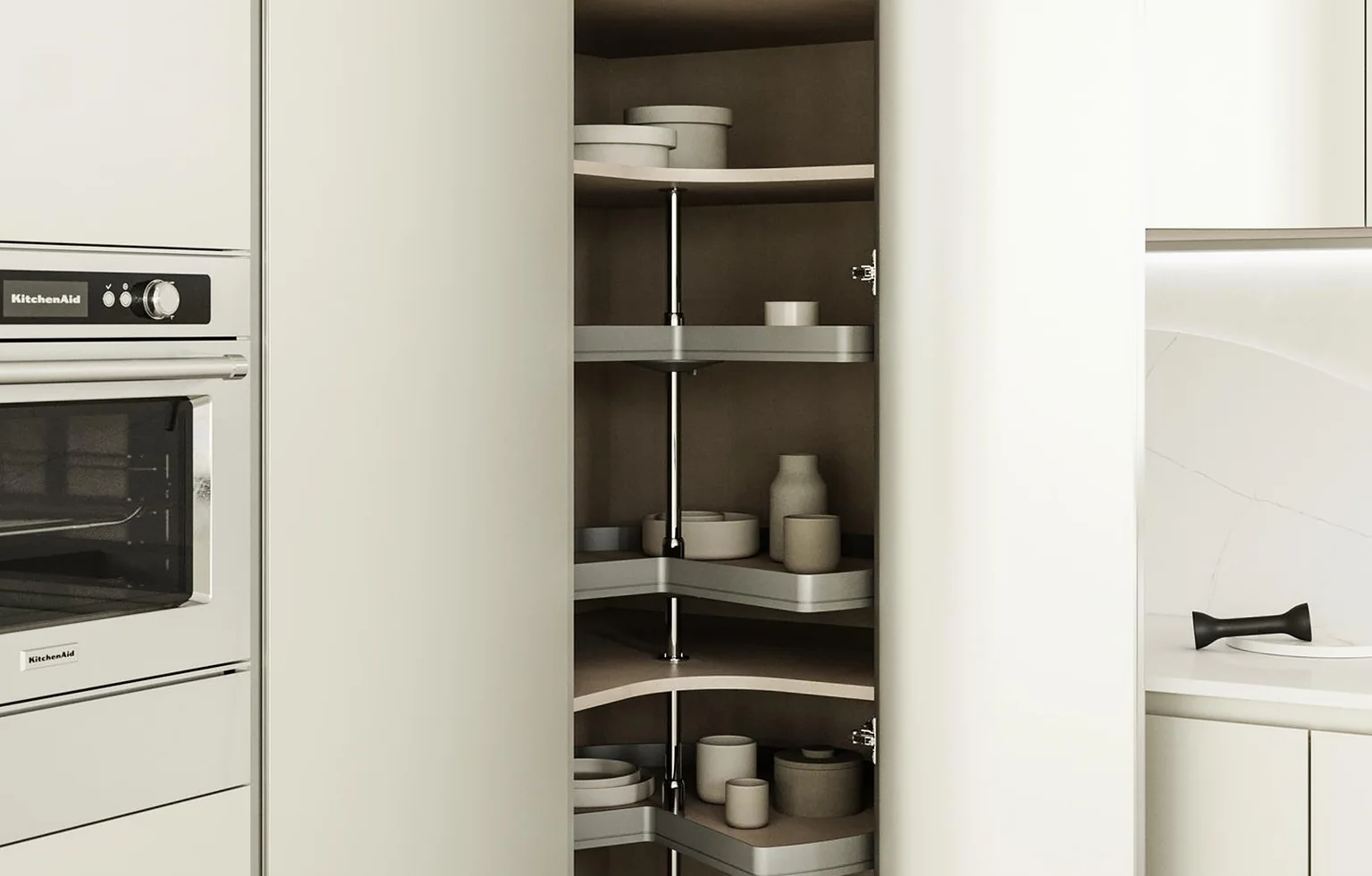
In practice, this demands serious work on storage volumes, both in height and in depth. Deep drawers replace the hinged doors of base units, columns integrate the oven, microwave, steam oven and rice cooker, and well-organised internal drawers keep everything in order behind closed fronts.
Light materials, contained contrasts
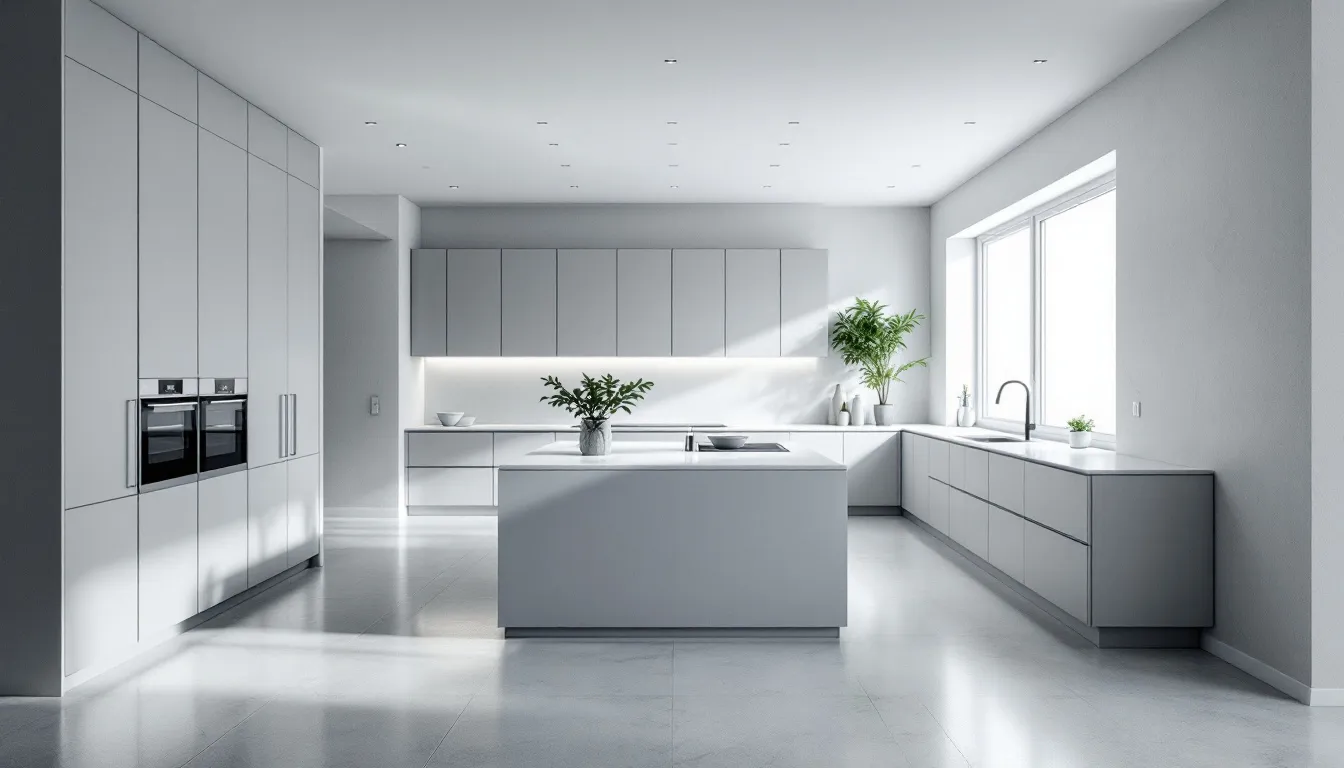
The typical palette pairs a light wood, often oak or ash, with a matt white or a soft beige, sometimes with a graphite lacquer on a few vertical elements. The contrast stays contained: no deep blacks over large surfaces, no accent colours that disrupt the reading of the space.
Worktops favour light stones, engineered quartz in neutral tones, or large-format ceramic for the most contemporary results. The splashback is often treated in the same material as the worktop, in continuity, so as not to break the horizontal perspective.
The island hob for sharing
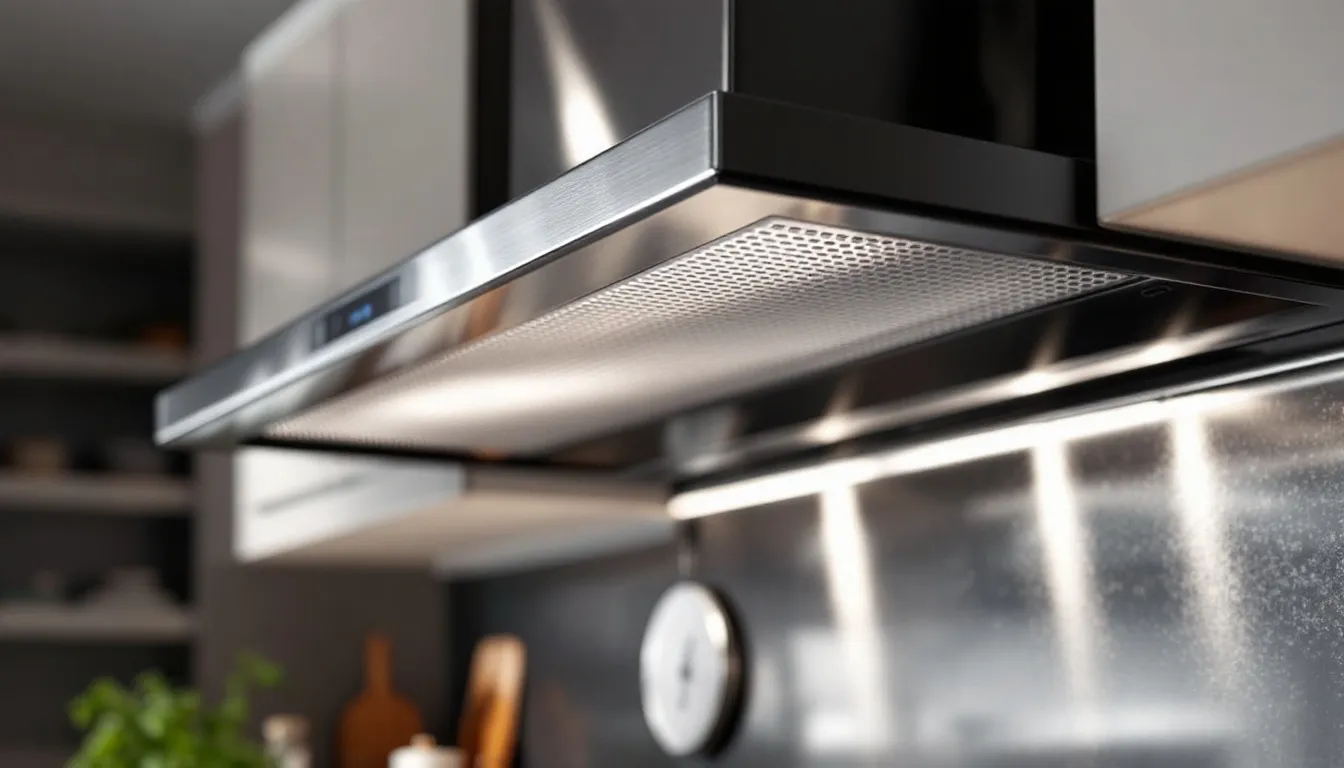
The Asian kitchen is lived around cooking. The wok, the steam plate, the teppanyaki call for free access, a high-performance extractor and a safe distance from neighbouring surfaces. The most fitting configuration remains the central island with a powerful induction hob, a properly sized extractor, and an overhang so that guests can settle around it.
It is also the layout that best matches the culture of sharing: you cook in front of your guests, you plate up on the spot, you taste seated at the counter. The act of cooking becomes part of the meal.
Vertical storage as a signature
Vertical storage is a strong hallmark of this inspiration. Full-height columns for appliances, very discreet open shelves for a few chosen pieces of ceramic, a larder behind a solid wood front. Verticality frees up the worktop and gives the room a recognisable calm.
The lighting follows the same logic: linear sources integrated under the wall units, very understated pendants above the island, and ceiling coves rather than multiple spotlights.
Our view
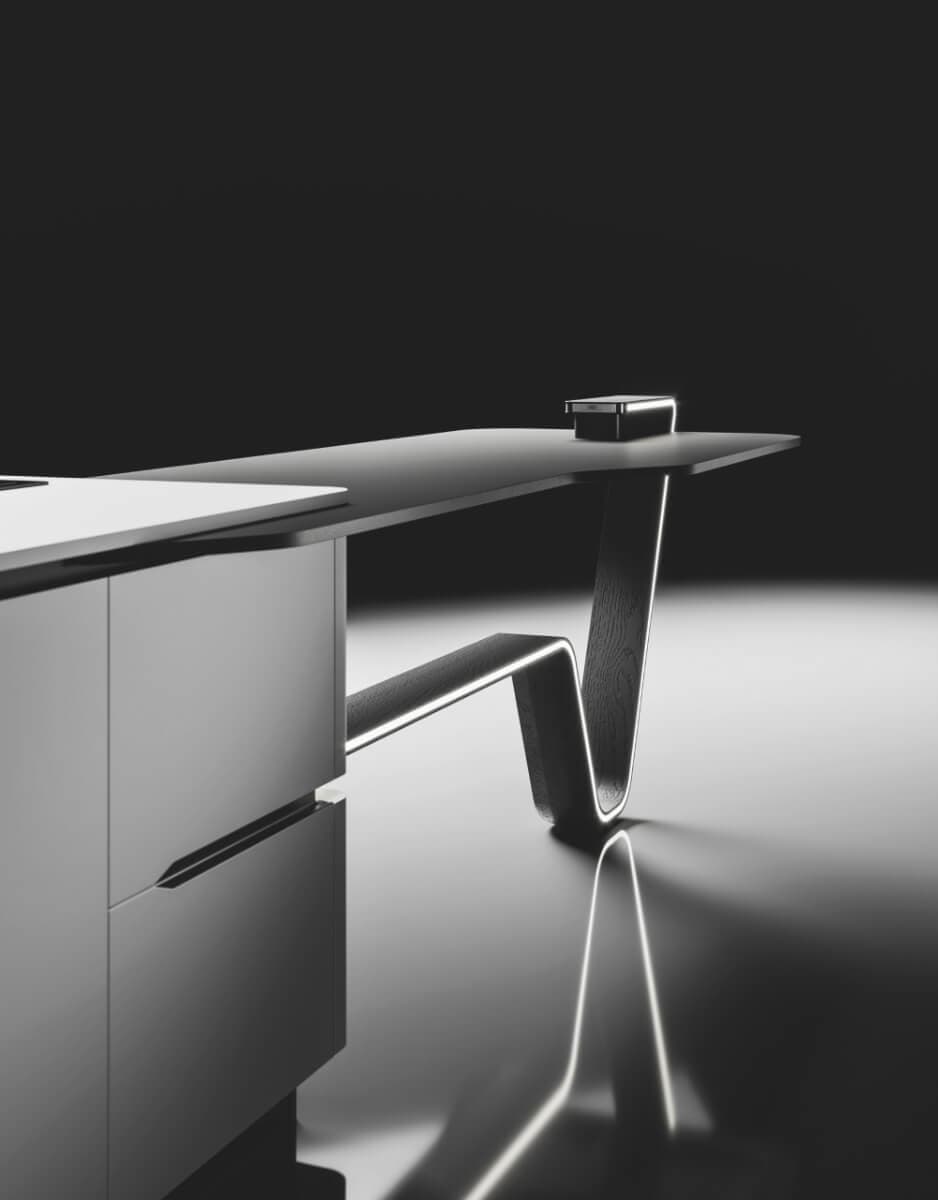
Asian restraint is built less by accumulating references than by subtraction: an empty worktop, honest materials, legible circulation around the cooking zone, lighting that recedes. This language meets the discipline of contemporary Italian design, as shown by the Vision model designed by Pininfarina for the Icone collection, where every element is precisely placed without overloading the room. The lesson to keep goes beyond any single model: it is the rigour of the line and the quality of the materials, not the number of objects, that give a kitchen its refinement.